Pages

Friday, May 24, 2019

5 Forensic Science topics

Hurumanu - Fingerprints


Image result for forensicsForensic Science

Definition:


5 Forensic Science topics;

  1.  
  2.  
  3.  
  4.  


Finger prints

Aim: To look at the different types of fingerprints.

Materials: 
  1. Balloon
  2. Ink Pad
  3. Finger

Steps

  1. Carefully roll your thumb and index finger on the ink pad.
  2. Roll your finger and thumb on the balloon.
  3. Blow the balloon up and see what your finger print is. 


Image result for fingerprint types

Insert two pictures here of your fingerprints

Ink prints


Thumb print
Index finger print


Record the types of fingerprints from those in your group.

Name
Fingerprint 1 (Thumb)
Fingerprint 2 (index finger)
Sapphirelooploop
Lilylooploop


Dusting fingerprints:

Lifting fingerprints

Aim: To learn how to lift hidden fingerprints from an object.

1. Lifting and Gathering fingerprints.

Equipment:
  1.   
  2.   
  3.   
  4.   
  5.   
  6.  
Method: 

  1.   
  2.   
  3.  
  4.  


Results:

Lifted fingerprints


Thumb print
Index finger print


Conclusion :


Tuesday, May 7, 2019

To make a filtration plant using household materials

Aim: To make a filtration plant using household materials.
Image result for filtration science experiment
Water Filtration Plant


What is filtration?The action or process of filtering something.


Filtration is separating solids from liquids by adding a medium through which only the liquid can pass.
Examples are:
  • Dirty Clothes
  • Pool
  • Air
  • Oil

Materials
1. Funnel
2. Container
3. Filter Paper
4. Scissors 
5. Rocks/Pebbles
6. Sand
7. Bottles

Process - use verbs or doing words in each step 
Step 1 Cut the bottle into half.

Step 2 Put the top half upside down into the bottom half

Step 3 Add layers of filter paper, sand and pebbles

Step 4 Get 1 cup of dirty water and start pouring the water in.

Step 5 Pour the dirty water into a cup.


Findings


Write a short sentence about the water every 1 minute.
Include how much water has filtered through how fast it is dripping through and How clear the water is.

Minutes 1. 2. 3. 4. 5.
Drops per minute: 57
Watercolour: Clear Brown

Conclusion:
Today, I learnt that filtration is not only used to clean water but is also used in different ways (for example, dirty clothes, pool, air and oil.


Thursday, April 11, 2019

Maths

 What we did with Mr tisch he tort us how to round up number to the nearest 10 100 1000. For example 52 if the 2 is under 5 then it will be 50 but if it above 5 then it will be 60. Heres another example 210 see how the the 1 is under 5 and the 0 is under 5 then it will be 200 because the numbers 1 and 0 are under 5 so we take them off.

Tuesday, April 9, 2019

Science


Name
Chemical
Image
Solid/Liquid/Gas
Lemon Juice
Citric Acid
Liquid
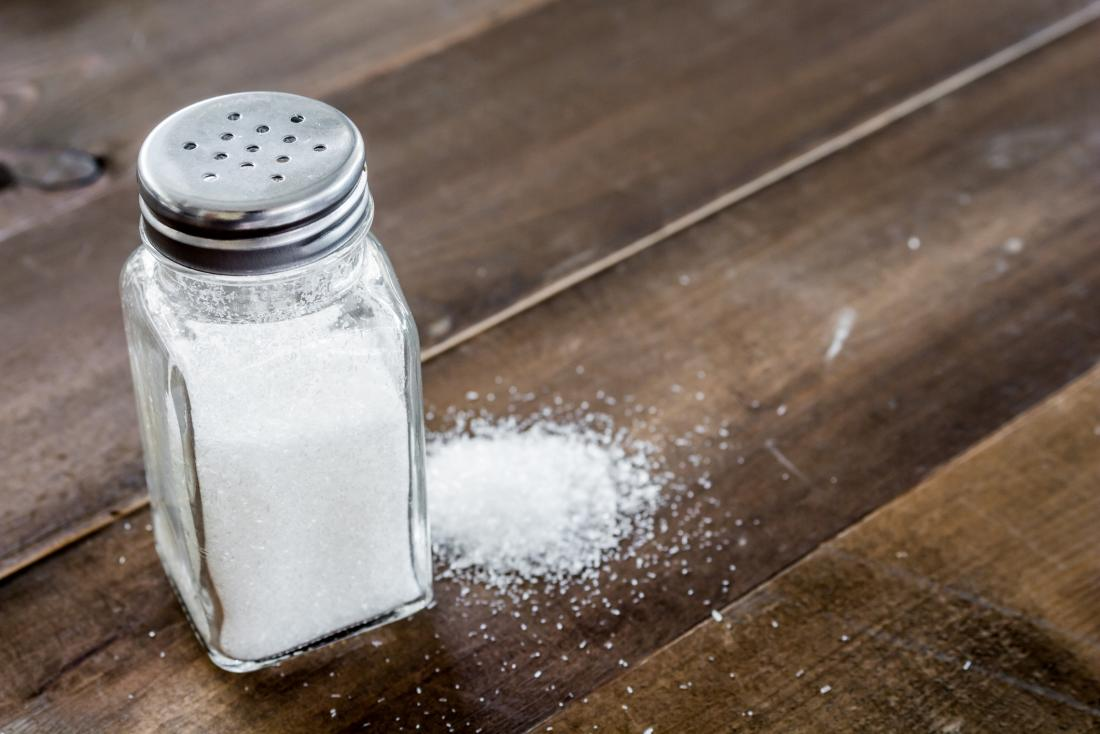
Salt
Sodium Chloride
Solid
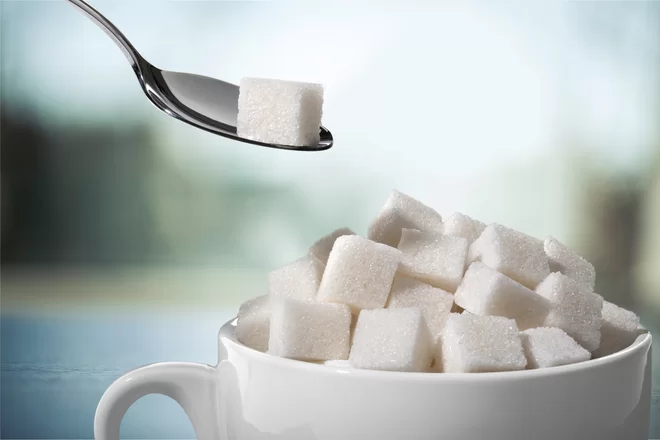
Sugar
Sucrose
Solid
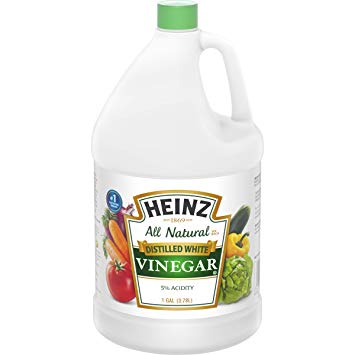
Vinegar
Acetic Acid
Liquid
Lemonde Bubbles
Carbon Dioxide
Gas
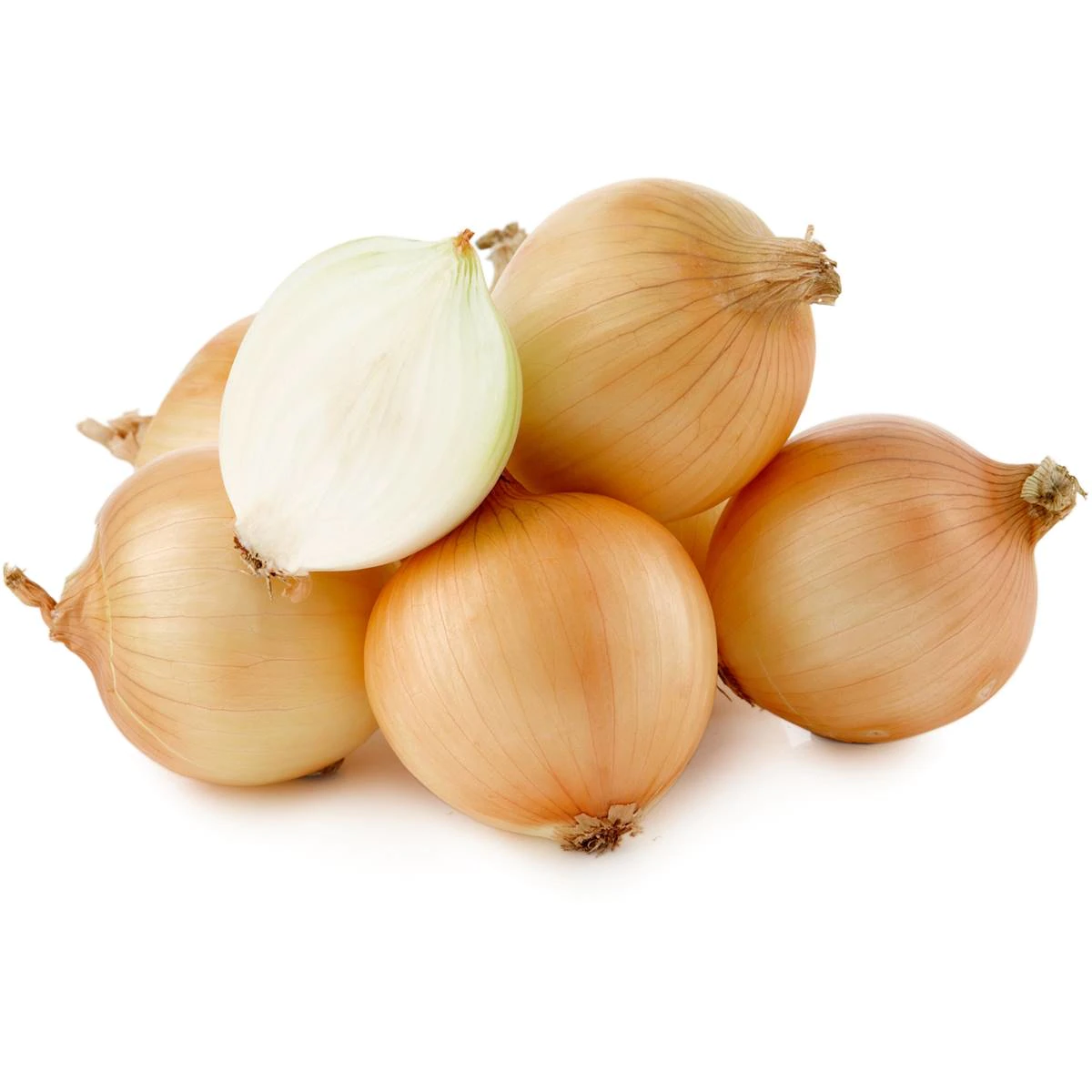
Onion gas
Sulfenic Acid
Gas
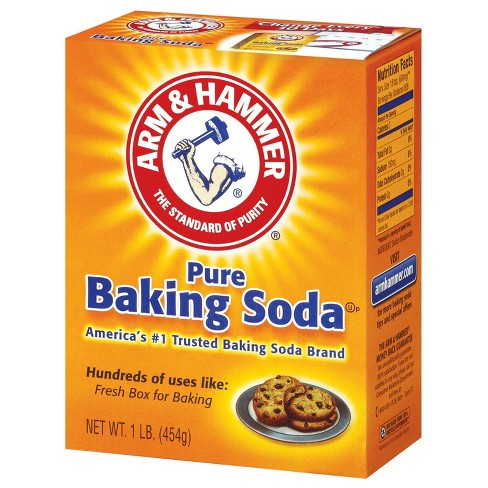
Baking Soda
Sodium Hydrogen Carbonate
Solid
Milk
Hydrated Sodium Ammonium Hydrogen Phosphate
Liquid
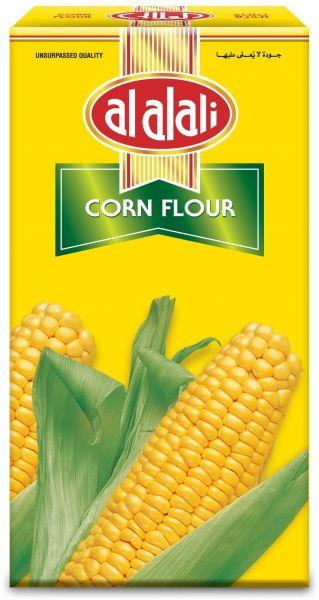
Cornflour
Starch
Solid
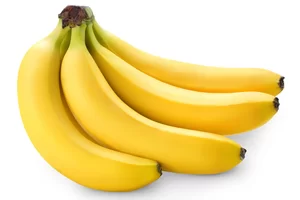
Banana
Isoamyl Acetate
Solid
Conclusion

Common Name: Lemon Juice ~ Chemical Name: Citric Acid ~ Liquid/Solid/Gas? = Liquid

Common Name: Salt ~ Chemical Name: Sodium Chloride ~ Liquid/Solid/Gas? = Solid
Common Name: Sugar ~ Chemical Name: Sucrose ~ Liquid/Solid/Gas? = Solid

Common Name: Acetic Acid ~ Chemical Name: Liquid ~ Liquid/Solid/Gas? = Liquid

Common Name: Lemonade Bubbles ~ Chemical Name: Carbon Dioxide  ~ Liquid/Solid/Gas? = Gas

Common Name: Onion Gas ~ Chemical Name: Sulfenic Acid   ~ Liquid/Solid/Gas? = Gas

Common Name: Baking Soda ~ Chemical Name: Sodium Hydrogen Carbonate ~ Liquid/Solid/Gas? = Solid

Common Name: Milk ~ Chemical Name: Lactose   ~ Liquid/Solid/Gas? = Liquid

Common Name: Cornflour ~ Chemical Name: Starch   ~ Liquid/Solid/Gas? = Solid

Common Name: Banana ~ Chemical Name: Isoamyl Acetate   ~ Liquid/Solid/Gas? = Solid

Home Chemistry - Science

Home Chemistry - Science ¬ Mr Palmer ¬ Introduction

Home Chemistry 
Tuesday 2nd April 2019

Aim: To learn the names of 10 household chemicals and identify if they are a solid, liquid or a gas.


Definitions:


  1. Element; A single form of a chemical 
  2. Compound: A mixture made up of 2 or more elements
  3. Reaction: A process in which chemicals mix together to form a new substance.
  4. Mixture: When two or more elements are mixed together.


Equipment:

  1.     Lemon Juice
  2.     Salt
  3.   Sugar
  4.   Vinegar
  5.   Lemonade Bubbles
  6.   Onion Gas
  7.   Baking Soda
  8.  Milk
  9.  Cornflour
  10. Banana
Steps:

1. Search up the objects name.
2. Put it into a table.
3. Fill out the gaps.
4. Write the conclusion


Skittles

Skittles

Aim: To separate colours from skittles by using the chromatography.

Materials;

1. Petri Dish
2. Skittles
3. Water

Process:

Step 1: Place the skittles in the Petri Dish
Step 2: Pour the water into the dish.
Step 3: Watch the water change color!


Conclusion: 

Today in science we tried the 'Skittle Experiment' where we put skittles into a clear container and the color of the skittles dissolve in the water. It didn't take much time for the colors to dissolve into the water.

The color from the skittles disolves into the water and spreads through the water. 
The 'S' in the skittle floated to the top of the water. I also learnt that Skittles taste weird when soaked in water.